With exhausting work weeks leaving little time for vacation planning, “bleisure” travel provides room around work trips for personal experiences so you can make the most of both your productivity and the destination.
While it might sound too good to be true, bleisure has grown from a hush-hush travel trend into a regular occurrence in recent years. According to a Forbes piece published in August 2025, interest in bleisure travel grew 25% in the previous year. That same month, Perk (formerly TravelPerk) shared insight in a press release regarding how bleisure travel is being executed. Through a survey of 600 C-suite professionals in the United States, the United Kingdom, Germany, and Spain, the business travel management company found that one in five (21%) participants extended their work trips for leisure.
Separately, last September, eSIM provider Holafly released its Summer 2025 Travel & Connectivity Report, which included more bleisure data. In a survey of 980 participants from around the world, about 20% (19.6%) turned their professional international travel obligations into “opportunities for exploration.”
“The rise of bleisure is more than a lifestyle tweak; it reflects a deeper change in how professionals perceive mobility,” Holafly noted. “Work trips are increasingly seen as gateways to cultural exchange, relaxation, and inspiration. For destinations, this shift means a chance to reposition themselves: not just as functional hubs for business, but as places where career, curiosity, and wellbeing converge.”
What Is “Bleisure” Travel?
Bleisure travel is when a worker extends a work trip to include personal time, scheduling both business and leisure on one itinerary (hence the name “bleisure”).
An example of how a bleisure trip may play out would start with the worker doing business in the destination work sent them. However, instead of immediately returning home after securing deals and attending meetings, the worker would spend extra days in that destination, focusing only on what they wanted to do. They could spend that time relaxing, sightseeing, going on local food tours, or whatever suits their fancy. Regardless of what’s chosen, the point is that work should be paused for that portion of the trip, or at least drastically minimized.
For clarity, a worker’s non-working days can occur before or after the designated days for handling business.
Whether working remotely or in the office, many crave a work-life balance that’s actually satisfying. So when planned intentionally and executed correctly, bleisure travel can be a smart way of making that balance a reality. The trips can be turned into more than professional ventures, now including intentional time set aside for experiencing local cultures, making social connections, and wandering at your own pace.
The Cities That Work Best For Bleisure Travel
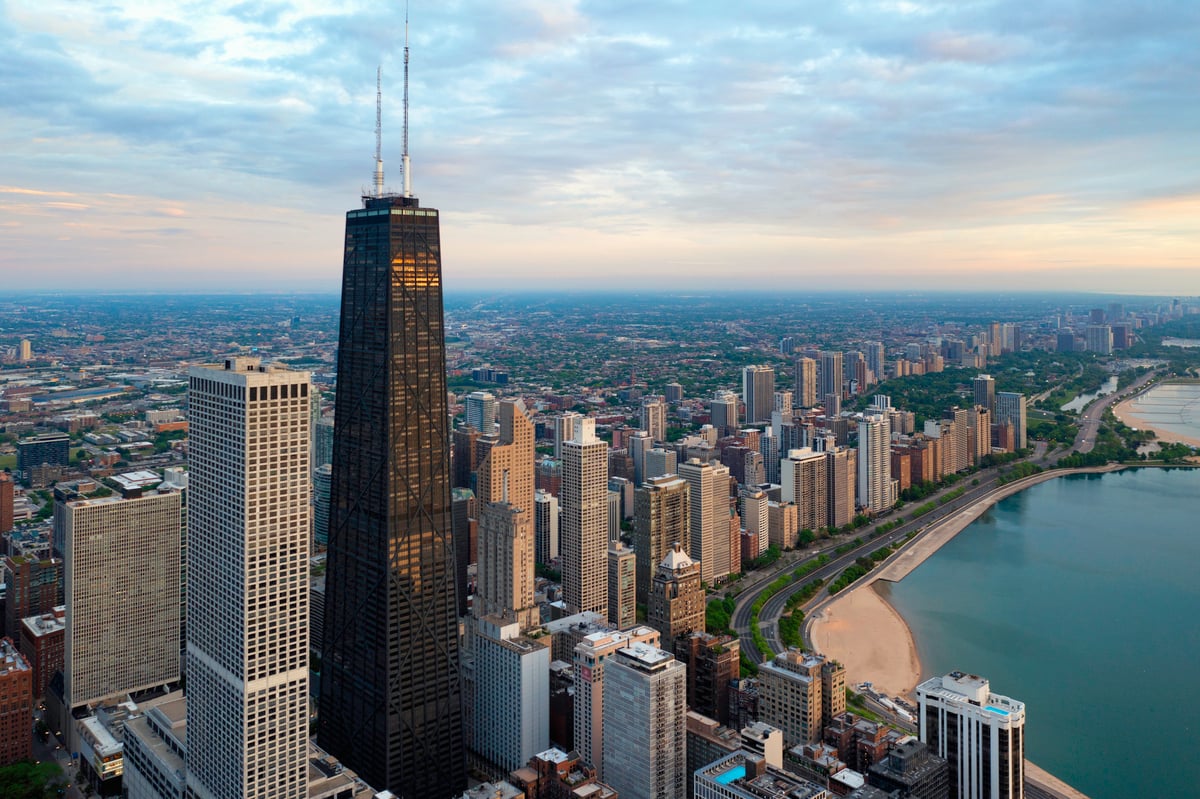
Many cities make for productive and fulfilling bleisure trips. Common U.S. work destinations that also lend themselves well to leisure adventures include New York City, Miami, and Austin.
Internationally, destinations worth turning into a bleisure trip include London, Singapore, Dubai, Abu Dhabi, Lima, and Nairobi, to name a few.
What Do Companies Actually Allow When You Extend Work Trips?
Some companies offer ways to make bleisure travel work for you. Travel benefits have unique aspects and parameters that depend on the company offering them. Regardless, just be aware that mixing personal and business expenses on your bleisure trip will be a no-no.
Use company-provided paid time off, vacation, personal days, or a mix to extend your work trip. Some companies offer their workers discounts on travel bookings, and even annual travel-designated stipends. The more you know about your benefits, the better you can strategically take advantage of them.
If you choose to involve your employer in your bleisure travel planning, they may be able to help you utilize your benefits. However, expect the company to prioritize what’s best for the business, even if that conflicts with your ideal scheduling and plans.