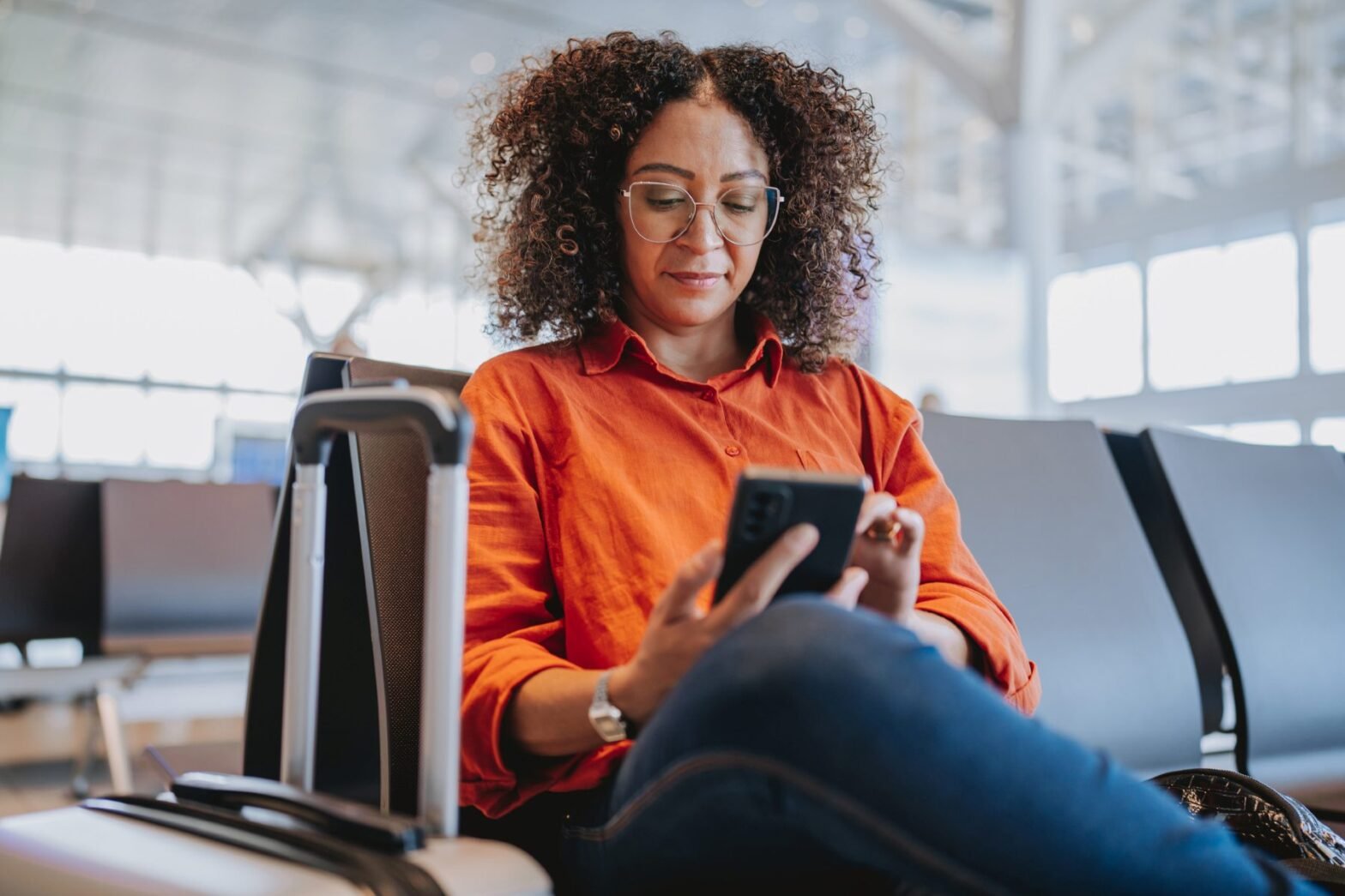
Travelers checking bags before international flights are being warned about a luggage tag-switching scam that can wrongly connect innocent passengers to drug-filled suitcases. According to Travel + Leisure, the scheme involves airport workers removing barcoded baggage tags from passengers’ checked luggage and placing those tags on different bags containing narcotics. The report cited an investigation by CTV News, which found that 17 known travelers on international flights from Canada were affected over the past year.
Some travelers were handcuffed, detained, arrested, or jailed before authorities determined they had no connection to the drugs. All known affected passengers were eventually released, but the cases have raised concern for people flying abroad with checked luggage, especially on routes to countries where drug-smuggling penalties can be severe.
How The Luggage Tag Scam Can Put Innocent Travelers At Risk
The scam centers on the checked baggage tag that links a suitcase to a passenger’s name, flight, and destination. The International Air Transport Association (IATA) defines checked baggage as luggage for which an airline takes custody and issues, validates, or updates a baggage tag. In the reported cases, travelers’ own suitcases were not packed with drugs. Instead, criminals allegedly moved the travelers’ baggage tags onto other suitcases containing narcotics.
A March 2026 case in Canada showed how the scheme can unfold. The Royal Canadian Mounted Police (RCMP) said Canada Border Services Agency officers found about 66 kilograms of cannabis in two checked bags linked to two German citizens scheduled to depart from Toronto Pearson International Airport. Both passengers denied owning the bags. Investigators later determined that neither traveler had checked in the suitcases and that an Air Canada employee working in the baggage room had placed tags with their names onto the bags containing cannabis.
Police released both travelers without charges after they cooperated with investigators. CTV News reported that the RCMP have arrested six baggage and ramp workers at Toronto Pearson International Airport in connection with bag tag swaps over the past year. The outlet also reported that smugglers may use tracking devices, including Apple AirTags, to follow drug-filled bags after arrival.
How Travelers Can Protect Their Checked Luggage Before Flying Abroad
Travelers cannot monitor a checked bag after it enters the airport baggage system, but they can document what they handed over at check-in. Per Travel + Leisure, authorities recommend taking a photo of the suitcase at the airport or even taking a photo or video of the bag on the scale at baggage drop. A clear image should show the suitcase, the attached baggage tag, visible identifying marks, and the checked-bag weight.
Passengers should also keep the baggage claim receipt until the trip ends and any baggage issue has been resolved. That receipt includes the tag number on the traveler’s checked suitcase and can help identify which bag they checked. A luggage tracker can add another layer of documentation. Placing a tracker inside a personal suitcase may help show where the traveler’s real bag went if someone removes the tag. The tracker will not stop a tag switch, but it can help separate the traveler’s actual suitcase from another bag wrongly linked to their name.
Travelers should also make luggage easy to identify with a distinctive suitcase, visible strap, sticker, ribbon, or permanent luggage tag. Old airline tags should be removed before each trip to avoid confusion. The U.S. State Department advises travelers to review local laws before going abroad and says travelers who break foreign laws, even by mistake, could face deportation, fines, or imprisonment. Its guidance on arrest and detention abroad also advises U.S. citizens detained overseas to ask authorities to notify the nearest U.S. embassy or consulate.